Urban road construction projects demand reliable, efficient, and cost-effective asphalt mixing plant equipment. If you are planning to pave city streets and need 400 tons of dense-graded asphalt per day, selecting the right asphalt plant is critical. Choosing an underpowered plant may cause delays and quality issues, while an oversized plant could lead to unnecessary costs. This article explores the factors influencing asphalt plant selection, highlights suitable TPH (tons per hour) capacities, and provides actionable guidance for city road projects.
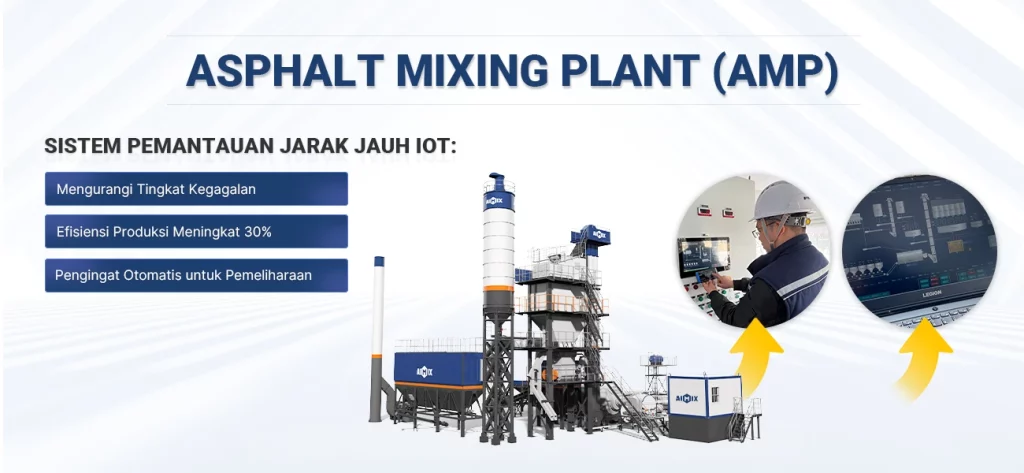
Understanding Dense-Graded Asphalt Requirements
Dense-graded asphalt is widely used for city roads because of its durability, smoothness, and ability to handle medium to heavy traffic. Its properties include strong load-bearing capacity, good resistance to rutting, and minimal permeability. For a city road project producing 400 tons/day, understanding the mix design, aggregate gradation, and layer thickness is essential. These parameters influence the required plant capacity and operational efficiency.
For example, a typical 50 mm thick asphalt layer on a 1 km road section may require around 1,000 tons of asphalt. Knowing the project’s daily paving schedule allows you to calculate the daily production target and select a plant that meets this demand consistently.
Calculating Daily Asphalt Production Needs
To ensure your project runs smoothly, calculate your daily production needs precisely. If your target is 400 tons per day, you must consider working hours, plant efficiency, and potential downtime.
Step 1: Determine Plant Operating Hours
Most city road projects operate 8–10 hours per day. If your plant runs 10 hours per day, the required hourly capacity can be calculated as:
Hourly Capacity (TPH) = Daily Production ÷ Operating Hours
So, 400 tons/day ÷ 10 hours/day = 40 TPH. This means a 40 TPH plant can meet your daily asphalt demand under ideal conditions.
Step 2: Factor In Efficiency And Downtime
Plants rarely operate at 100% efficiency. Downtime for maintenance, material handling, or weather can reduce output. To compensate, consider increasing the required capacity by 10–20%.
Thus, for 400 tons/day with 10% buffer: 40 TPH × 1.1 ≈ 44 TPH. A plant with 45 TPH capacity ensures consistent daily production without delays.
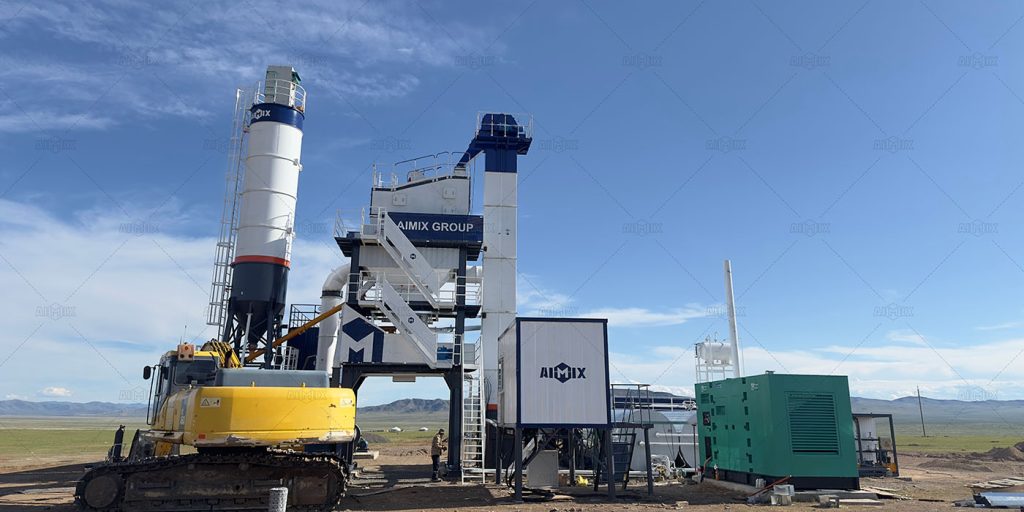
Choosing The Right Type Of Asphalt Plant
Once you determine the required TPH, the next step is selecting the asphalt plant type. Two primary types exist: batch plants and drum mix plants. Both have advantages depending on your project requirements.
Batch Asphalt Plants
Batch plants produce asphalt in specific batches, allowing precise control over the mix. They are ideal for projects that require high-quality asphalt, frequent changes in mix design, or multiple asphalt types. For city roads, where traffic load and durability are essential, batch plants are often preferred.
Drum Mix Asphalt Plants
Drum mix plants produce continuous asphalt flow and are suitable for high-volume projects. They operate efficiently for consistent mixes but offer less flexibility in adjusting mix design. If your project mainly involves a single asphalt grade and long stretches of road, a drum mix plant for sale could be suitable.
For a 400 tons/day dense-graded asphalt requirement, both 40–50 TPH batch plants and drum mix plants are viable. The final choice depends on project priorities such as quality, flexibility, and budget.
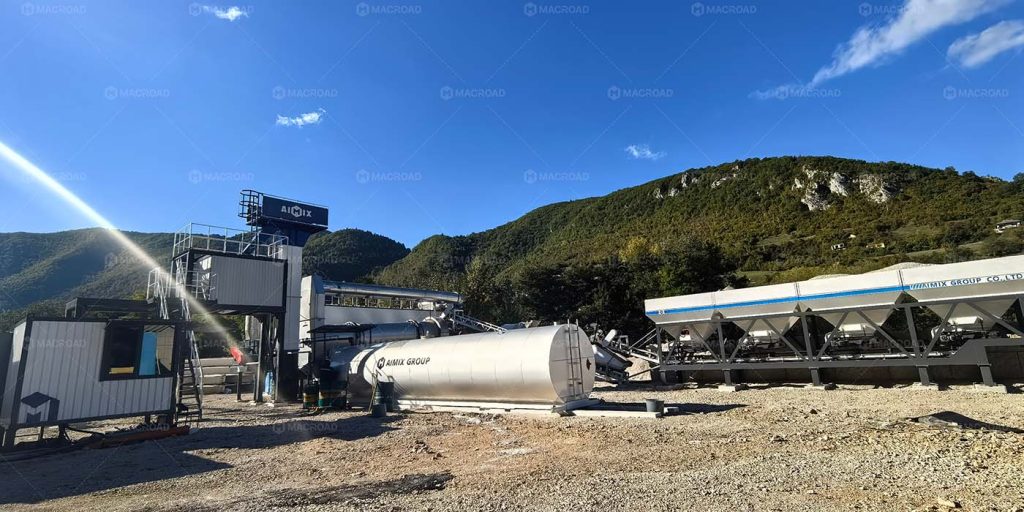
Key Factors Affecting Asphalt Plant Selection
Beyond TPH rating, several factors influence plant selection:
Aggregate Handling Capacity
Ensure the plant can handle the total volume of aggregates required for dense-graded asphalt. This includes different sizes of aggregates and filler materials. A plant designed for 45 TPH asphalt production usually handles 60–70 TPH of aggregate, considering moisture and blending ratios.
Bitumen Storage And Heating Capacity
Bitumen quality is critical for dense-graded asphalt. The plant must have sufficient storage capacity and heating efficiency to supply continuous production without interruptions.
Fuel Type And Energy Efficiency
Consider whether the plant uses diesel, natural gas, or heavy oil. Energy-efficient plants reduce operational costs and carbon emissions, which is increasingly important for city projects aiming to meet environmental standards.
Site And Mobility Constraints
City roads often involve limited construction space. Compact plants with modular design or mobile asphalt mixing plant for sale are advantageous in urban areas where site space is tight.
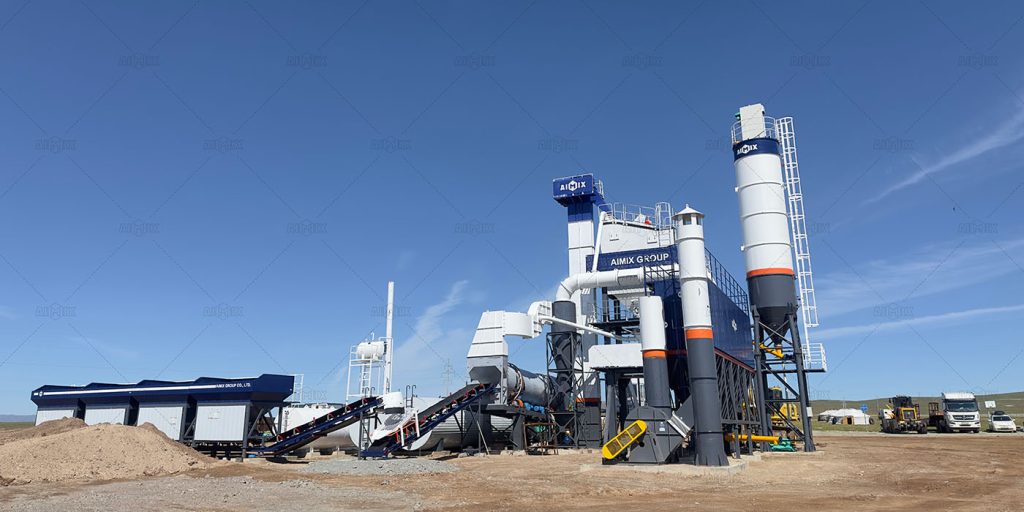
Recommended Asphalt Plant Capacities
Based on the calculations and factors discussed above, here are practical recommendations for producing 400 tons/day of dense-graded asphalt for city roads:
40–50 TPH Asphalt Plants
A 40–50 TPH plant is ideal for standard 8–10 hour shifts. It provides the flexibility to handle small variations in daily demand, ensures high-quality mixes, and allows for efficient maintenance scheduling.
Modular Or Mini Plants For Urban Projects
In cities with limited space, modular or asphalt mixing plant mini are increasingly popular. These plants can be relocated easily, reduce installation time, and provide immediate production capacity without extensive foundation work.
Case Study: Successful City Road Asphalt Production
In Makassar, Indonesia, a city contractor required 400 tons/day of dense-graded asphalt for a 5 km urban road. They opted for a 45 TPH modular batch plant. The plant operated 10 hours/day, maintained mix quality, and completed the project on schedule. The contractor praised the plant’s reliability, compact footprint, and ability to adapt to daily paving targets.
This example illustrates how selecting the correct TPH asphalt plant simplifies logistics, ensures smooth production, and supports project deadlines.
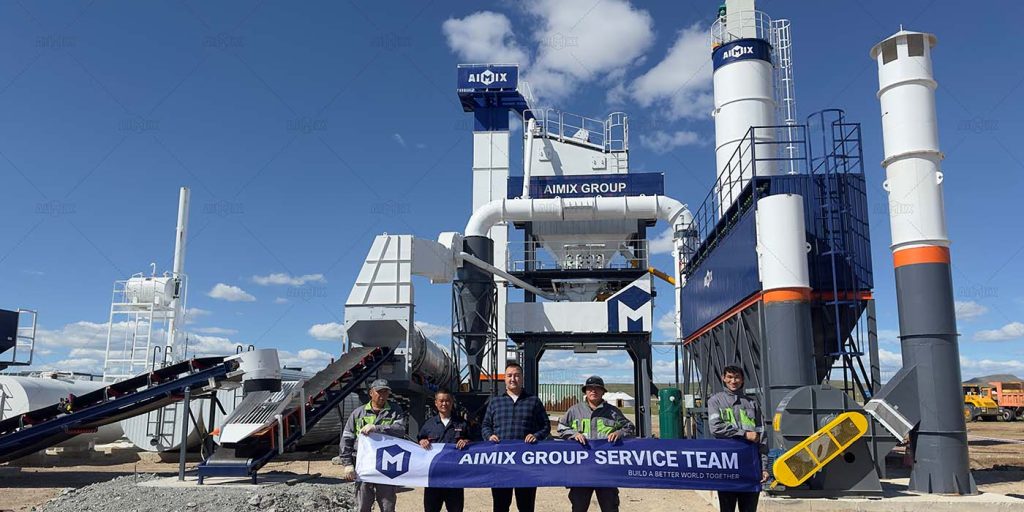
Maintenance And Operational Tips For Consistent Asphalt Production
To maintain daily output, follow these best practices:
Regular Equipment Checks
Inspect burners, screens, conveyors, and mixers daily. Preventive maintenance reduces unexpected downtime.
Monitor Mix Quality
Test asphalt temperature, bitumen content, and aggregate gradation frequently. Ensure dense-graded asphalt meets project specifications.
Plan Raw Material Supply
Keep a consistent stock of aggregates and bitumen. Interruptions in material supply directly affect daily production targets.
Train Operators Effectively
Skilled operators optimize plant performance, reduce errors, and maintain safety standards on-site.
Budget Considerations And ROI
Investing in a 40–50 TPH plant is cost-effective for medium-scale city road projects. A plant operating efficiently at 400 tons/day generates rapid return on investment, especially when downtime and maintenance costs are minimized. Mobile and modular plants may have higher upfront costs but reduce site setup time and foundation expenses, offering long-term savings.
Conclusion: Selecting The Right Asphalt Plant For City Roads
Producing 400 tons/day of dense-graded asphalt requires careful consideration of TPH capacity, plant type, site constraints, and operational efficiency. For most city road projects, a 40–50 TPH batch or drum mix plant meets daily production needs while maintaining asphalt quality. Modular and mobile plants provide flexibility in urban environments. Proper planning, equipment maintenance, and skilled operation ensure consistent production and project success.
If you are planning a city road project and want a reliable asphalt plant that can produce 400 tons/day, contact our team today. We provide customized solutions, detailed capacity recommendations, and full support to ensure your project runs efficiently from start to finish. Explore asphalt mixing plant equipment options and make the smart choice for your urban paving project now!