Concrete production costs are one of the main challenges for contractors in Latin America. Modern equipment like self-loading concrete mixers can optimize operations, reduce expenses, and improve efficiency. This article explores strategies to optimize concrete production cost structures using self-loading concrete mixers, highlighting their benefits in Chile and Peru.
Understanding Concrete Production Costs
Concrete production involves several cost components: raw materials, labor, equipment, and transportation. Among these, raw materials such as cement, sand, and aggregates usually form the largest part of direct costs. Labor and machinery operation contribute significantly to indirect costs. A careful analysis of each component helps identify savings opportunities.
Raw Material Management
Proper management of raw materials ensures cost efficiency. Self-loading concrete mixers(Auto hormigoneras) allow on-site measurement and mixing of materials, reducing waste. Contractors using self-loading concrete mixers can optimize the use of cement, sand, and aggregates, which lowers overall expenses and minimizes the risk of over-ordering materials.
Reducing Labor Costs
Traditional batching requires multiple workers for loading, mixing, and transport. By using a self-loading concrete mixer, a single operator can handle all these tasks, reducing labor costs significantly. In urban projects where labor costs are higher, this can result in 30-40% savings, making the investment in such machinery more justified.
Equipment Depreciation and Maintenance
Self-loading concrete mixers reduce the need for multiple machines on-site. With fewer vehicles for transport and mixing, equipment depreciation and maintenance costs decrease. Regular preventive maintenance of these machines also ensures longer life and consistent performance.
Benefits of Self-Loading Concrete Mixers
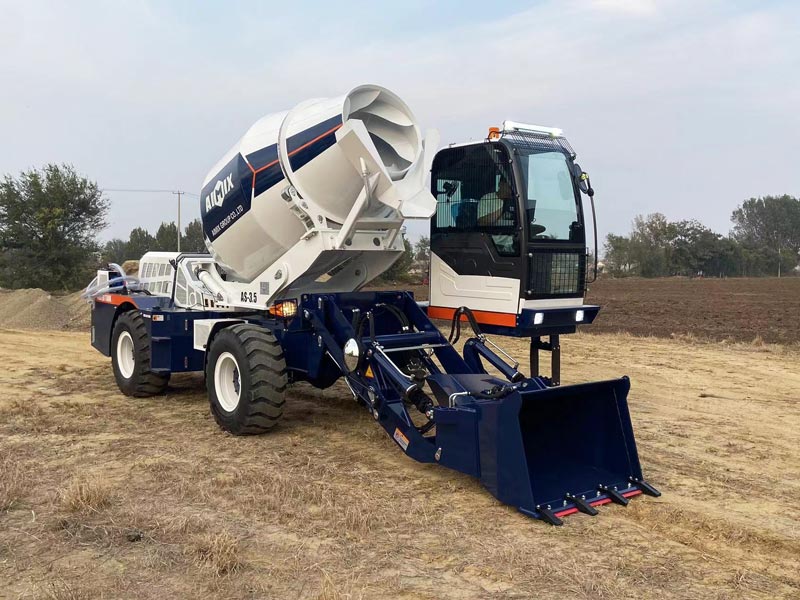
Self-loading concrete mixers integrate loading, mixing, and transporting concrete in one machine, providing multiple advantages for cost optimization.
Transport Efficiency
Transporting concrete traditionally requires separate vehicles, which increases fuel and labor costs. A self-loading concrete mixer in Chile(autohormigonera en Chile) allows contractors to load, mix, and deliver concrete in a single cycle, reducing fuel consumption and improving project efficiency.
Time Savings
Time is a critical factor in construction. Self-loading concrete mixers can operate continuously, mixing and discharging concrete without stopping. This efficiency helps projects meet tight deadlines. For example, a self-loading concrete mixer in Peru can deliver ready-to-use concrete directly to remote construction sites, reducing waiting times and accelerating project completion.
Flexibility in Project Scale
Self-loading concrete mixers are suitable for small, medium, and large projects. Their compact design allows use in restricted urban spaces, while their high-capacity models can handle large-scale infrastructure works. This flexibility ensures cost optimization across different project sizes.
Evaluating the Price of Self-Loading Concrete Mixers
Understanding the price of self-loading concrete mixer(precio de autohormigonera) is essential for investment planning. Although the initial cost may be higher than conventional mixers, long-term savings in labor, fuel, and operational efficiency make the investment worthwhile.
Factors Affecting Price
The price of self-loading concrete mixer depends on engine type, capacity, automation features, and brand. Contractors in Chile and Peru should consider the balance between upfront cost and operational savings. Choosing a reliable model ensures fewer maintenance issues and longer lifespan.
Return on Investment
Investing in a self-loading concrete mixer in Chile or Peru can quickly pay off through savings in labor, transportation, and material management. Projects with high concrete volume benefit the most, as these machines improve productivity and reduce waste, offsetting the initial purchase cost over time.
Operational Strategies to Reduce Costs
Even with the right equipment, effective operational strategies are necessary to maximize savings.
On-Site Batching
Using self-loading concrete mixers allows contractors to batch concrete on-site, reducing excess material usage and preventing wastage. This method also avoids the need for large storage areas, cutting overhead costs.
Operator Training
Proper training ensures the self-loading concrete mixer is used efficiently. Skilled operators maximize machine features like automated mixing, load measurement, and discharge control, preventing mistakes and extending equipment life.
Scheduled Maintenance
Regular maintenance minimizes downtime and repair costs. Contractors should schedule routine checks on engines, hydraulics, and drums to maintain consistent performance. A well-maintained self-loading concrete mixer in Peru or Chile ensures continuous operation and lower operational expenses.
Case Studies in Latin America
Urban Projects in Chile
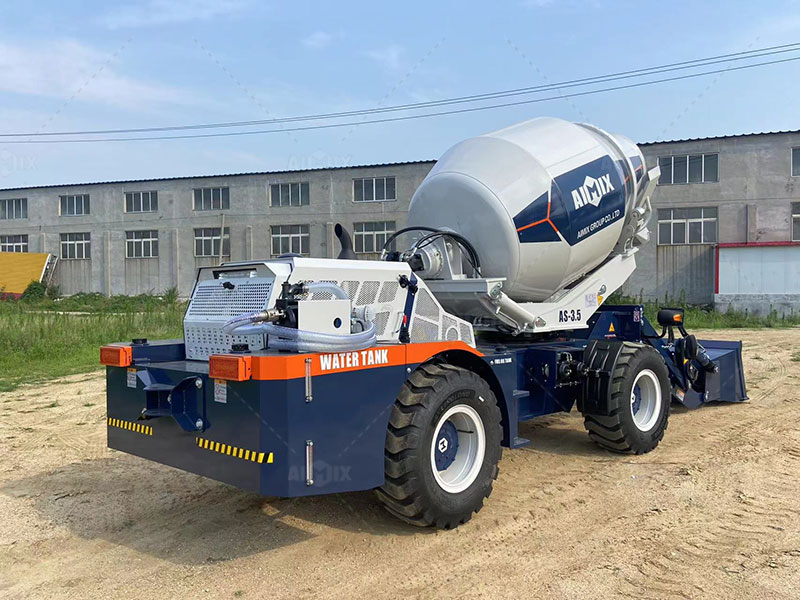
Contractors in Santiago have adopted self-loading concrete mixers in municipal repair projects. The use of these machines has reduced labor costs by 35% and material waste by 20%. The flexibility of self-loading concrete mixer in Chile allowed operations in confined city areas, improving efficiency.
Rural Infrastructure in Peru
In Peru, remote construction sites benefit from self-loading concrete mixers that produce concrete on-site. This approach eliminates dependence on distant batching plants and reduces transportation costs. Using self-loading concrete mixer in Peru(autohormigonera en Perú) has proven effective for rural roads and small-scale municipal works.
Choosing the Right Mixer
Selecting the appropriate self-loading concrete mixer involves evaluating capacity, mobility, and local service availability. For contractors in Chile and Peru, reliable dealer support, spare parts access, and service options are critical factors that affect total ownership cost and project efficiency.
Local Recommendations
Contractors should assess the suitability of each model for specific project conditions. Compact, high-capacity mixers are ideal for urban sites, while larger models suit open-site projects. Choosing a machine that aligns with project needs ensures maximum cost optimization.
Conclusion
Optimizing concrete production cost structure requires the combination of modern equipment, efficient operations, and skilled operators. Self-loading concrete mixers provide the tools to reduce labor, transportation, and material costs. Contractors in Chile and Peru can benefit significantly by integrating these machines into their projects. While the price of self-loading concrete mixer may be higher initially, the long-term advantages in efficiency, productivity, and operational savings make it a cost-effective solution.
By embracing self-loading concrete mixers, construction companies can achieve a streamlined and optimized cost structure, enhancing competitiveness in Latin America’s evolving construction market.